
Rain in Orange County arrives in a handful of storms a year, so a new owner can live in a house for months before learning the chimney leaks. The first sign is rarely dramatic: a brown tide mark creeping across the drywall by the fireplace, a musty smell from the firebox the morning after rain, or flakes of rust and a little puddle on the damper. Owners in Garden Grove often assume the roof is to blame. Sometimes it is. Often the water is getting in through the chimney itself.
This post covers where chimney leaks begin, what the repairs cost where we publish a price, and what moves the figure.
Five ways water gets in, from the top down
A chimney is a tall object poking through a roof, which gives water more chances than a flat stretch of shingles. Working from the sky downward:
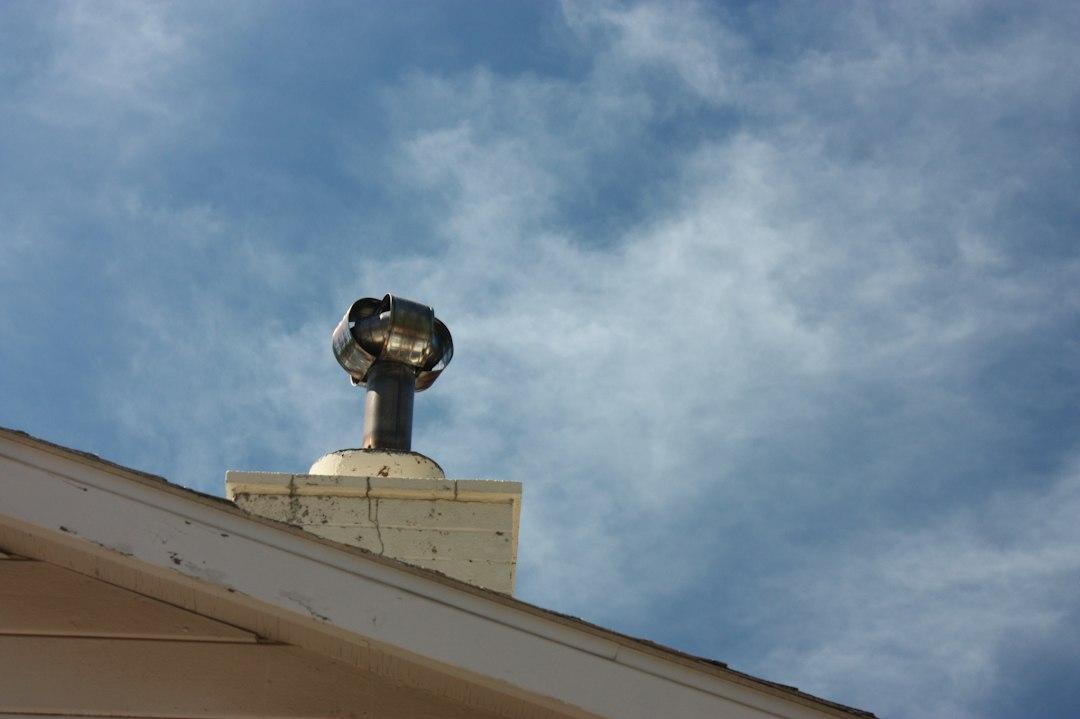
- The open flue. With no cap, the flue is a hole in the roof as wide as a dinner plate or bigger. A cap is a screened steel cover mounted above that hole. Without one, every storm drops water straight down to the damper.
- The crown. Your crown is the cement cap poured over the masonry, with the flue poking through it. Years of heat and wet seasons open cracks in it, and each crack lets water into the brick beneath.
- The brick and mortar. Brick soaks up water like a dense sponge, and worn mortar joints let it in faster. On a chimney that takes the weather head on, the inside face can turn damp right through.
- The flashing. Flashing is the sheet metal that seals the gap where the roof meets the chimney. When it rusts, loosens or was never sealed properly, water runs under it and into the attic.
- The uphill side of a wide chimney. A chimney wider than a couple of feet blocks water running down the roof. Without a cricket, a little ridged roof section that splits the flow around the chimney, water and leaves collect there and find their way in.
What the repairs cost
These are our published ranges for the jobs that stop most chimney leaks. Where your job falls depends on the chimney's size, the roof and how many of the entry points above are involved.
| The work | Published range |
|---|---|
| Finding every source and sealing them | $570 to $3,400 |
| Diverter ridge plus a fresh set of flashing | $685 to $1,700 |
| Diverter ridge by itself | $455 to $1,030 |
A new cap over the flue opening is quoted after we measure.
Some leak work has no published range because it depends entirely on what we measure: a crown that has to be rebuilt, flashing replaced by itself, or a water repellent treatment for the brick. For those you get a written figure after the visit.
What moves the figure within a range
- How many entry points there are. One missing cap is a simple job. A leak fed by the crown, the flashing and the brick at once sits higher in the leak range.
- The roof. Composition shingle is quicker to work around than concrete or clay tile, which has to be lifted and reset without breaking.
- The height of the chimney. A two storey chimney needs more setup than a single storey one.
- How long the leak has run. Water left for several seasons can rot the wood framing beside the chimney. That repair is priced separately once we have seen it.
Ask for a leak visit and say which room the stain is in and whether it only appears when strong wind pushes the rain sideways.
Why we trace before we fix
Water rarely shows up where it got in. It can enter at the crown, travel down inside the brick and appear on the ceiling a floor below, or slip under flashing on one side and drip off a rafter on the other. Fixing the place where the stain appears, without finding the source, is the most common reason a chimney leak comes back the next winter.
So the first part of a leak visit is detective work: the roof, the crown, the flashing, the attic and the inside of the firebox and damper. We note every likely entry point, then price the repairs as one job so you are not paying for three separate trips.
Coastal air and metal parts
Houses closer to the ocean, in Huntington Beach and the western side of Fountain Valley, see salty air that eats into steel. A painted steel cap or galvanised flashing tends to rust out faster there than further inland. When we replace either near the coast, we suggest stainless steel or copper, and the price reflects the material you choose.
After the leak is stopped
Once the openings are closed, a water repellent applied to the brick can slow how much rain the masonry absorbs. It is a finishing step, not a fix for a cracked crown or open joints. Our chimney waterproofing page describes when it is worth adding, and chimney leak repair covers the main job. If the source turns out to be the flashing, chimney flashing repair explains that work.
For a first-time owner, the hardest part of a chimney leak is often not knowing whether it is serious. A stain that appears once and dries is still worth a look, because the wood behind it stays damp longer than the paint does. If a stain has appeared near your fireplace, send us a note through the contact page and we will call to arrange a visit before the next storm.
Want Someone to Walk You Through Yours?
Foley Chimney Services inspects and cleans fireplaces for owners new to them, naming each part as we go. Write to us from Garden Grove or any Orange County city on our list.