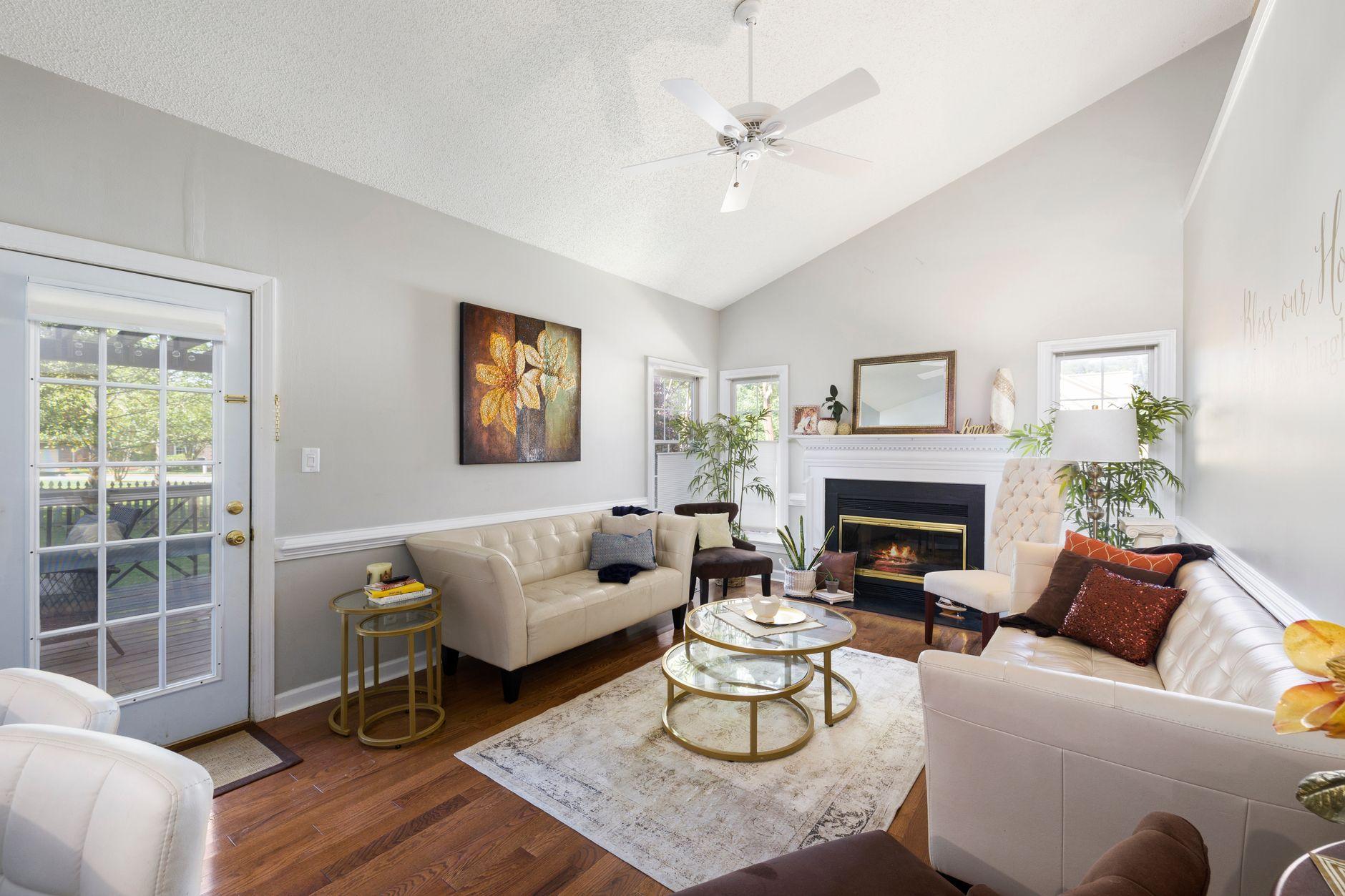

Ask a new homeowner where the damper is and many will point at the glass doors. The damper sits higher up and out of sight: a metal plate in the narrow throat just above the fireplace opening, worked by a handle, a lever or a short chain you reach from the firebox. Opened, it lets smoke climb into the chimney. Closed, it keeps warm air in during winter, cool air in during summer, and dust, insects and drafts out the rest of the year.
It is a simple part, and that is why first-time owners in Garden Grove are often surprised to find it on a repair list. This post explains how dampers fail, what the fixes are, and how we price them.
Signs your damper needs attention
- The handle will not move, or moves only with a lot of force.
- The handle moves but nothing happens. The linkage has snapped or slipped off the plate.
- It will not close fully. You can feel a draft at the opening, or see a sliver of daylight looking up.
- It will not open fully. Smoke drifts into the room even with a small fire.
- Rust flakes keep turning up on the firebox floor.
- It rattles in the wind, or bangs when a door slams elsewhere in the house.
A damper stuck closed is the urgent one. A fire lit under a closed or half closed damper sends smoke, and carbon monoxide with it, into the room. If yours will not open, do not light the fireplace until it has been sorted.
Why dampers fail in houses around here
Most dampers in older Orange County homes are cast iron or steel plates that have been sitting in the throat of the fireplace since the house was built. Three things wear them out.
Rust. A chimney with no cap lets rain fall onto the damper every storm. Near the coast, in Huntington Beach and the nearer parts of Fountain Valley, salty air adds to it. Rust swells the plate, locks the pivot and eventually eats through.
Heat. Years of fires warp a thin plate so it no longer sits flat in its frame. A warped plate cannot seal, even when the handle says closed.
Age and wear. Handles, pins and the little notched bars that hold the plate at different positions wear out or break. Many dampers in post-war houses have never had a part replaced.
The three usual fixes
Free it up and adjust it
When the plate and frame are sound, the fix is often small: clearing the rust and soot from the pivot, straightening the linkage, fitting a new handle or pin, and making sure the plate closes square. This is the least costly option and the one we try first.
Replace the plate or the throat damper
When the plate has rusted through or warped badly, it can sometimes be replaced. The catch is that many old throat dampers are built into the masonry, and the exact model may no longer be made. If a matching plate cannot be found, the next option usually makes more sense than cutting into the brick.
Fit a top-sealing damper
A top-sealing damper is a lid that sits on the very top of the flue, with a rubber or silicone seal around its edge. It is worked from the firebox by a handle mounted on the inside wall. Because it closes off the whole chimney at the top, it seals much more tightly than an old throat damper, keeps rain out of the flue, and some models also act as a cap. It is often the better choice when the old damper is beyond saving, and it leaves the original plate in place, wedged open, so nothing has to be cut out.
One note for gas logs: a fireplace with vented gas logs must keep its damper fixed partly open, usually with a clamp, so that fumes always have a way out. Any damper work we do on those fireplaces keeps that clamp in place.
What decides the price
Damper repairs do not have a published price on this site, because the fix depends on what we find in the throat of your fireplace. The things that set the figure are:
- which of the three fixes the damper needs
- whether a replacement plate is still made for that frame
- the size of the flue, which sets the size of a top-sealing damper
- whether an existing cap has to come off for a top damper to go on
- the state of the frame and the brick around it
We give you a written figure once we have seen the damper and its frame, and nothing is done until you agree to it.
Ask for a damper visit and say whether the handle is stuck, loose, or moves without the plate following it.
Book it with a sweep or inspection
Damper problems are often found during a sweep or an inspection, when someone actually works the handle and looks up. If your fireplace has not had either since you moved in, it is worth booking them together: the damper is checked as part of both, and any fix can be priced from the same visit. See chimney damper repair, chimney sweep and fireplace inspection for each.
If the damper is fine but rain is getting onto it, a cap may be the real answer. Chimney cap installation covers that, and our post on chimney leak repair prices covers the other leak fixes.
A small part with a big job
A working damper costs you nothing to run. A broken one can let a surprising amount of heated or cooled air escape up the chimney all year, and a stuck one can make the fireplace unusable. When yours is giving trouble, get in touch through our contact page and we will arrange a visit to take a look.
Want Someone to Walk You Through Yours?
Foley Chimney Services inspects and cleans fireplaces for owners new to them, naming each part as we go. Write to us from Garden Grove or any Orange County city on our list.